Spring: Inspection and Renewal
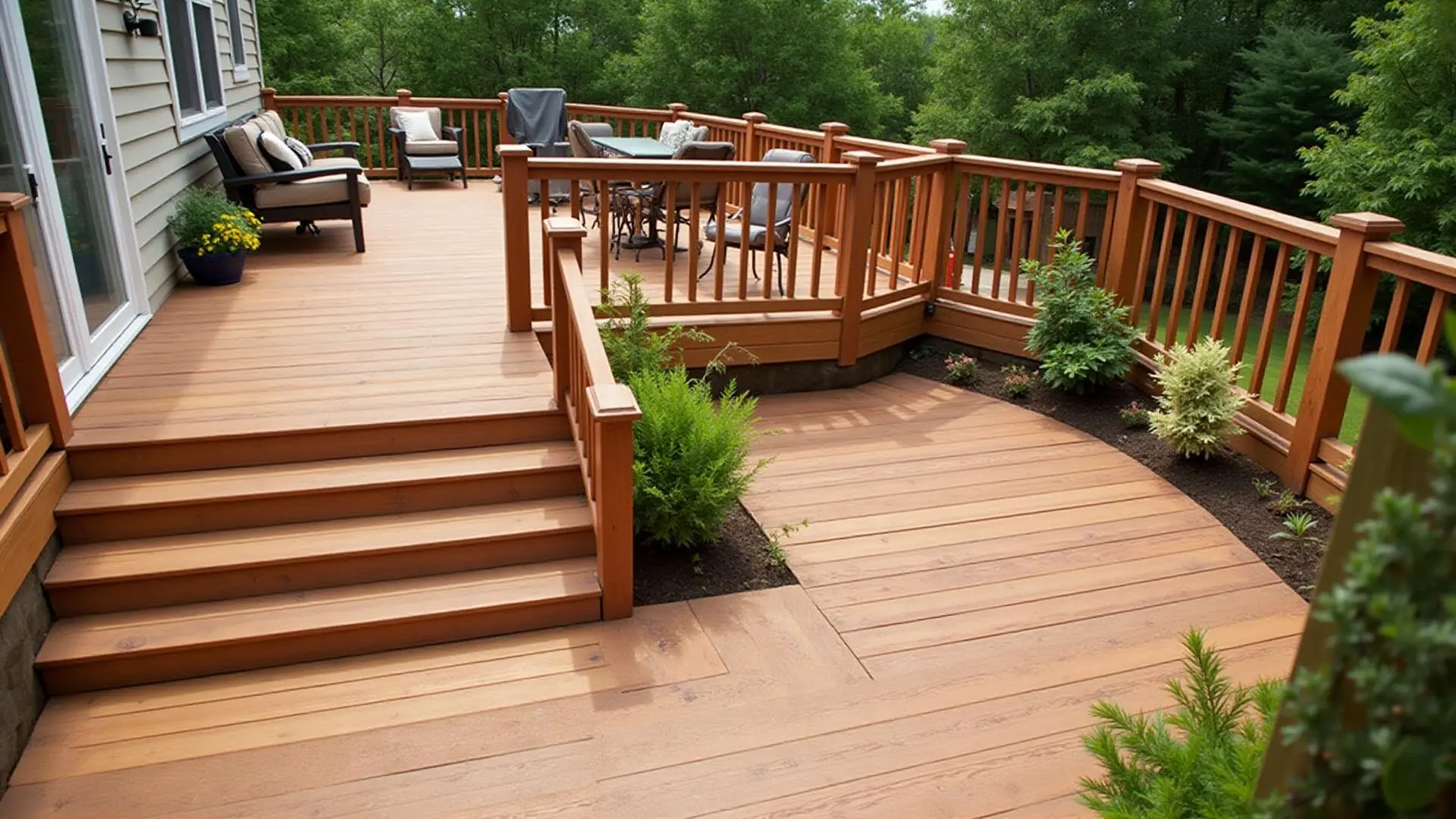
Spring marks the perfect time for thorough deck inspection and renewal, preparing outdoor spaces for heavy summer use. Begin with comprehensive visual inspection, walking the entire deck surface looking for loose boards, protruding nails or screws, splintering wood, and areas of discoloration suggesting moisture problems. Check railings for stability by firmly grasping and pushing, ensuring connections remain secure and posts haven't rotted at ground level. Examine stairs carefully as they experience more wear than deck surfaces and pose greater safety risks if compromised.
Structural assessment requires looking beneath the deck at joists, beams, and support posts for signs of rot, insect damage, or structural compromise. Use screwdrivers to probe suspicious areas—soft, spongy wood indicates rot requiring repair or replacement. Check ledger board connections where decks attach to houses, as these critical attachments prevent deck collapse. Ensure flashing remains intact, directing water away from houses rather than allowing moisture infiltration behind siding.
Deep cleaning prepares surfaces for inspection, refinishing, and enjoyable use. Start by removing all furniture, planters, and accessories. Sweep thoroughly, paying special attention to gaps between boards where debris accumulates. Power washing effectively removes dirt, mildew, and failed finish, though proper technique prevents wood damage. Use wide fan tips maintaining 12-18 inches from surfaces, working with wood grain rather than across it. Pressure under 1,500 PSI prevents wood fiber damage while still providing effective cleaning.
After cleaning, evaluate finish condition. Flaking, peeling, or absent finish requires refinishing soon to protect wood from moisture and UV damage. Conduct simple water tests by sprinkling water on various deck areas—if water beads up, finish remains effective; if water soaks in darkening wood, refinishing is needed. Most wood decks require refinishing every 2-3 years in Atlanta's climate, with south and west-facing surfaces needing more frequent attention due to intense sun exposure.
Minor repairs completed during spring prevent problems from worsening through summer. Replace or tighten loose boards and railings. Sand rough areas and splinters making surfaces safe for barefoot traffic. Apply wood putty to cracks and holes, sanding smooth after drying. Countersink protruding nails and screws, or replace with corrosion-resistant fasteners if originals show rust. These small preventative measures protect against injuries and prevent minor issues from becoming major problems.
Summer: Protection and Routine Care
Summer focuses on protecting decks from intense sun exposure and maintaining cleanliness during peak usage periods. UV radiation represents wood's worst enemy, breaking down lignin that binds wood fibers together. This degradation causes graying and makes wood susceptible to moisture penetration, rot, and insect damage. Quality stains and sealers containing UV inhibitors protect wood effectively, though summer's intense heat makes application challenging and potentially less effective.
If refinishing during summer becomes necessary, schedule work during mild weather avoiding extreme heat. Early morning or late afternoon application prevents rapid drying that causes lap marks and uneven penetration. Never apply deck finishes in direct sunlight or when surface temperatures exceed 90°F. Always allow newly cleaned decks to dry completely—typically 48-72 hours depending on humidity—before applying stains or sealers. Inadequate drying traps moisture causing blistering and premature finish failure.
Regular cleaning during summer maintains appearance and prevents buildup that damages finishes and harbors moisture. Sweep weekly removing leaves, pollen, and debris. Clean spills promptly, particularly from food, drinks, and grease that stain surfaces if left. Use mild dish soap and water for most cleaning, avoiding harsh chemicals that damage wood and finishes. Pressure washing generally isn't recommended more than once annually, as excessive washing removes protective finishes prematurely.
Furniture placement affects deck preservation. Avoid leaving furniture in the same positions all summer, as legs block sunlight and airflow creating moisture traps. Move furniture occasionally allowing even weathering and preventing mildew growth underneath. Use furniture pads or coasters under legs preventing scratches and indentations. Store cushions and fabric items when not in use protecting from moisture and fading while reducing mildew problems.
Plant management around decks prevents maintenance headaches. Trim bushes and trees preventing branches from rubbing deck surfaces and railings during winds. Remove climbing vines that damage wood and trap moisture against surfaces. Ensure mulch beds around deck perimeters slope away from structures preventing moisture accumulation at vulnerable beam and post locations. Consider using gravel or stone barriers around deck bases instead of organic mulch which retains moisture and attracts insects.
Fall: Preparation for Winter
Fall maintenance prepares decks for winter weather while taking advantage of ideal conditions for refinishing projects. Moderate temperatures and lower humidity create perfect environments for stain and sealer application, with products penetrating properly and curing effectively. September and October typically provide the best weather windows in Atlanta for deck refinishing, offering comfortable working conditions and allowing adequate curing time before winter arrives.
Complete refinishing projects using appropriate products for specific deck materials and exposures. For pressure-treated pine common in Atlanta, use quality semi-transparent or solid stains providing UV protection while allowing wood grain visibility. Cedar and redwood benefit from clear sealers or light tints highlighting natural beauty. For composite decking, follow manufacturer recommendations as products vary considerably in maintenance requirements and acceptable cleaners and protectants.
Preparation determines refinishing success. Start with thorough cleaning removing all dirt, mildew, and failed finish. Allow at least 48-72 hours drying time after cleaning before applying products. Lightly sand previously finished surfaces with 80-100 grit sandpaper improving new finish adhesion. Remove sanding dust completely using vacuum or tack cloths. Test products in inconspicuous areas ensuring color and coverage meet expectations before treating entire decks.
Application technique affects both appearance and longevity. Use quality brushes, rollers, or pump sprayers designed for deck finishes. Work in manageable sections completing entire boards before moving to adjacent areas, preventing lap marks. Apply products liberally allowing full penetration rather than leaving excessive material on surfaces. Back-brush immediately after application ensuring even distribution and eliminating puddles. Follow manufacturer recommendations regarding drying time before allowing foot traffic—typically 24-48 hours though conditions affect drying rates.
Gutter cleaning becomes crucial during fall as leaves accumulate. Clogged gutters overflow during rain, directing water onto decks below and causing excessive moisture exposure. Clean gutters regularly throughout fall preventing water damage to both decks and houses. Consider gutter guards if trees drop substantial leaves, reducing maintenance requirements while protecting structures from water problems.
Winter: Protection and Planning
Winter in Atlanta brings cold temperatures, occasional freezing, and increased precipitation creating challenging conditions for deck materials. While Atlanta rarely experiences heavy snow, ice and freezing rain do occur, potentially causing damage if decks aren't properly maintained and prepared. Regular attention during winter prevents problems while ensuring decks emerge ready for spring use.
Remove standing water and ice as soon as possible, as freeze-thaw cycles cause wood expansion and contraction leading to cracking, checking, and fastener loosening. Use plastic shovels rather than metal avoiding surface damage when removing snow or ice. Never use rock salt or calcium chloride de-icers on wood decks as they corrode fasteners and damage wood fibers. If traction improvement is necessary, use sand or kitty litter instead.
Furniture and accessory storage prevents damage from winter weather. Store cushions, umbrellas, and fabric items indoors preventing moisture damage and mold. Cover or store furniture reducing exposure to rain and freezing temperatures that can damage finishes and joints. If storing furniture on decks, elevate pieces on blocks allowing air circulation underneath preventing moisture traps and finish damage to deck surfaces.
Periodic inspections during winter catch developing problems early. After significant storms, walk decks looking for new damage or areas where water isn't draining properly. Check railings ensuring freezing temperatures haven't loosened connections. Remove debris including fallen branches, leaves, and blown trash preventing moisture accumulation and staining. Even during winter, keeping decks clean and clear maintains protective finishes and prevents deterioration.
Winter provides excellent planning time for improvements and upgrades. Evaluate deck function, appearance, and condition, noting areas requiring attention come spring. Research new furniture, lighting, plants, and accessories refreshing appearances. Plan refinishing projects, ordering materials early ensuring availability when weather permits work. Consider major upgrades like pergola additions, privacy screens, or expanded seating areas—winter planning allows spring implementation maximizing summer enjoyment.
Material-Specific Maintenance Considerations
Different decking materials require specific maintenance approaches for optimal longevity and appearance. Pressure-treated lumber, most common in Atlanta decks, needs regular cleaning, staining, and sealing protecting against moisture and UV damage. Expect to refinish every 2-3 years maintaining protection. Check regularly for rot particularly at post bases and anywhere water accumulates. Pressure treatment protects against insects but doesn't prevent moisture-related deterioration or splitting.
Cedar and redwood offer natural beauty and rot resistance but require regular maintenance preserving color and protecting from weathering. Without treatment, these woods turn attractive silver-gray, though this weathering eventually allows checking and splitting. Apply clear sealers or lightly tinted stains annually or bi-annually maintaining color and protection. These premium woods generally last longer than pressure-treated lumber when properly maintained but cost significantly more initially.
Composite decking revolutionized deck maintenance, offering materials requiring minimal upkeep while resisting rot, insects, and splitting. However, composites aren't maintenance-free. Regular cleaning with mild soap and water prevents mold and mildew growth. Specific stains require specialized cleaners—consult manufacturer instructions. Avoid pressure washing or aggressive scrubbing which can damage surface textures. Most manufacturers recommend annual deep cleaning maintaining appearance and preventing organic growth.
PVC and plastic decking offer the lowest maintenance requirements, with smooth surfaces resisting staining and organic growth more effectively than composites. Clean as needed with soap and water. These materials won't rot, split, or require refinishing, though they can scratch and may become brittle in extreme cold. Color-through construction means scratches are less visible than on capped composites. While initial costs are high, lifetime maintenance savings offset premium pricing for many homeowners.
Professional Maintenance and Inspections
While homeowners can handle routine deck maintenance, professional inspections and specialized services provide value through expertise, equipment, and experience identifying problems homeowners might miss. Consider professional inspection every 3-5 years, or more frequently for older decks or those showing concerning signs. Professionals assess structural integrity, identify safety hazards, and recommend repairs or upgrades preventing failures and extending deck life.
Professional refinishing services deliver superior results compared to most DIY efforts, using commercial-grade equipment and products unavailable to consumers. They understand proper surface preparation, product selection for specific applications, and application techniques ensuring even coverage and maximum longevity. For large decks or challenging conditions, professional services often provide better value than DIY approaches when considering time, equipment costs, and result quality.
Structural repairs typically require professional expertise and tools, particularly for joists, beams, ledger boards, and foundation elements. Improper repairs compromise safety and may violate building codes. Professionals understand local codes, proper materials and fasteners, and techniques ensuring repairs meet structural requirements. They carry insurance protecting homeowners from liability if injuries occur during work.
At Hightower Home Improvement, we help Atlanta homeowners with deck projects. Our experienced team helps homeowners maintain beautiful, safe decks through all seasons, providing everything from routine cleaning and refinishing to structural repairs and complete rebuilds. Contact us today to schedule inspection or discuss your deck maintenance needs.