Understanding Paver Materials
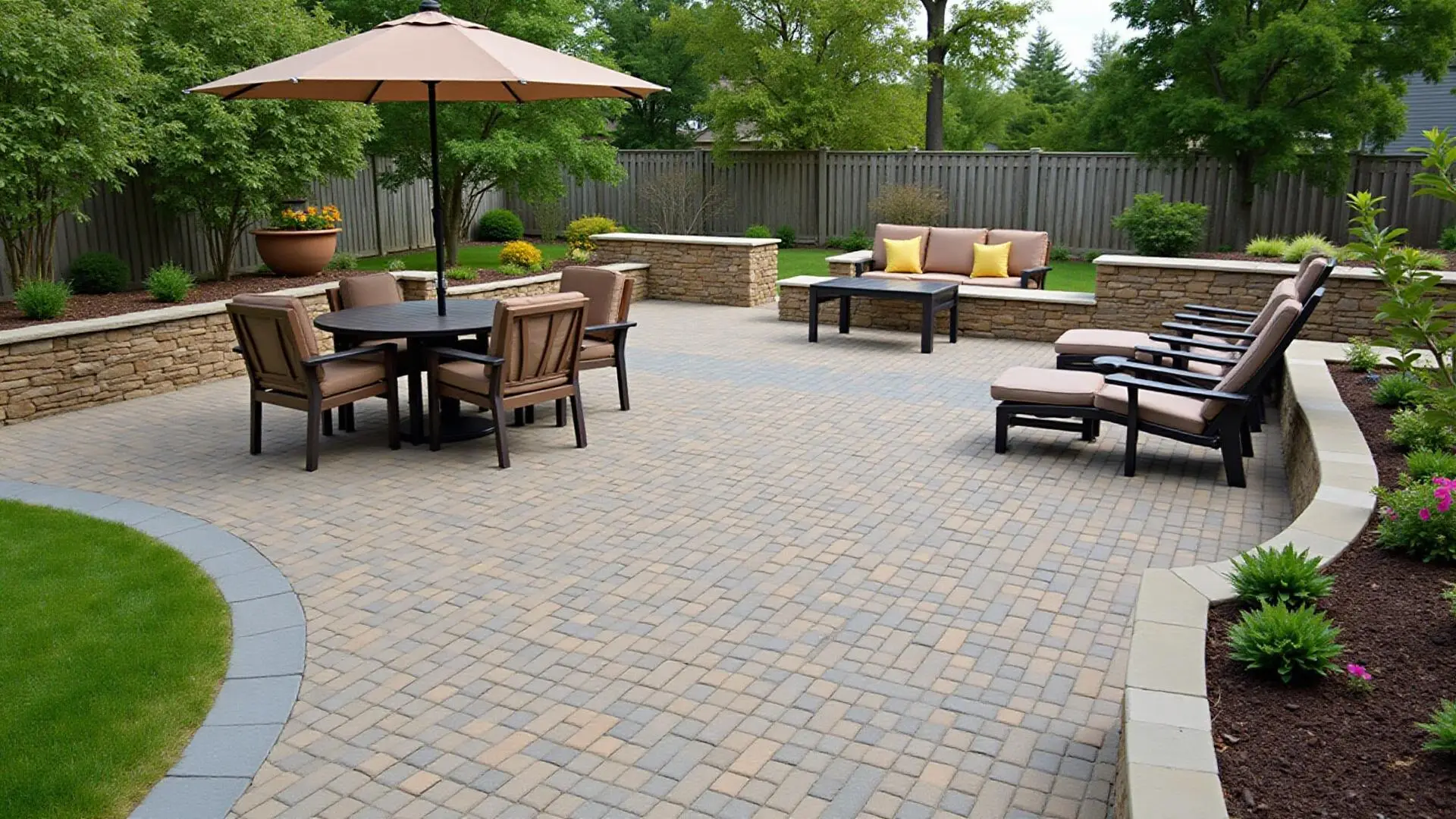
The material you choose for your outdoor pavers will significantly impact both the appearance and longevity of your hardscaping project. Concrete pavers are among the most popular choices, offering exceptional versatility in colors, shapes, and textures at an affordable price point. Modern concrete pavers can mimic the appearance of natural stone, brick, or even wood, providing aesthetic flexibility without the higher costs associated with natural materials.
Natural stone pavers, including granite, limestone, sandstone, and travertine, bring timeless elegance and unique character to outdoor spaces. Each stone has distinct properties—granite offers exceptional durability and resistance to weather, limestone provides a classic look with a smooth texture, sandstone delivers warm earth tones with natural grip, and travertine features distinctive holes and patterns that create visual interest. While natural stone typically requires a higher initial investment, its longevity and enduring beauty often justify the cost.
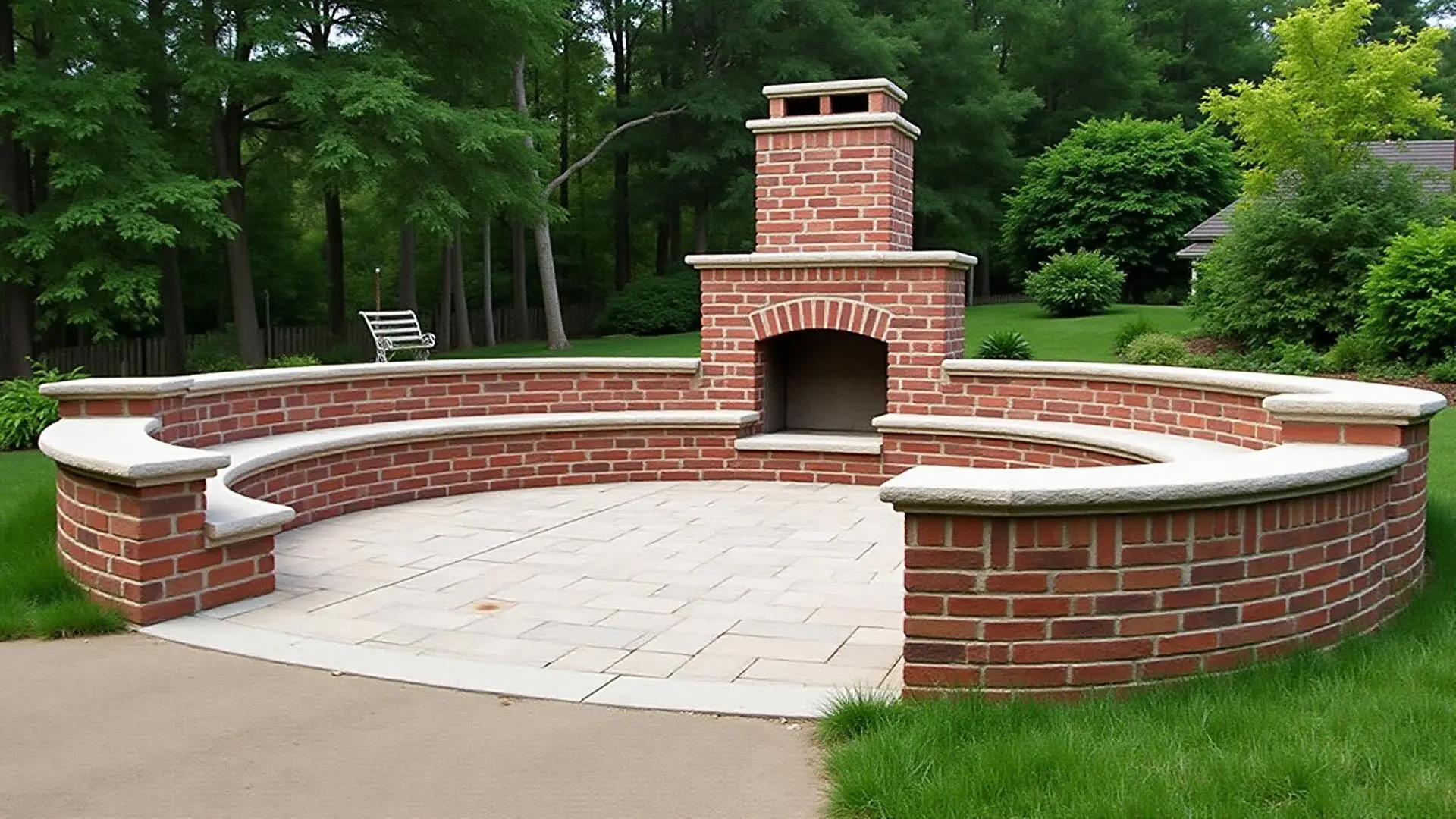
Brick pavers have been a traditional choice for centuries, offering classic appeal and proven durability. Clay brick pavers resist fading and maintain their color throughout their lifespan, developing character as they age. They work particularly well in traditional and colonial architectural styles but can also complement contemporary designs when used creatively. Porcelain pavers represent a newer option that combines the appearance of natural stone with enhanced durability, stain resistance, and lower maintenance requirements.
Climate Considerations for Atlanta
Atlanta's climate presents specific challenges that should influence your paver selection. The region experiences hot, humid summers with intense sun exposure, cold winters that occasionally include freezing temperatures, and significant rainfall throughout the year. These conditions require pavers that can withstand thermal cycling, resist moisture absorption, and maintain their structural integrity through seasonal changes.
Freeze-thaw cycles, though less severe than in northern climates, still occur in Atlanta and can damage pavers with high water absorption rates. Look for pavers with low absorption ratings, typically below five percent, to minimize the risk of cracking during freeze-thaw events. Porosity is particularly important—pavers should allow water to drain away rather than pooling on the surface, which can lead to slip hazards and accelerated wear.
Heat retention is another important consideration. Some materials, particularly dark-colored natural stones and concrete, can become uncomfortably hot under direct summer sun. If you plan to walk barefoot on your paved surfaces, consider lighter colors or materials specifically designed to reflect heat. Travertine and certain types of porcelain pavers are known for staying cooler underfoot, making them excellent choices for pool decks and patio areas where barefoot traffic is common.
UV resistance ensures your pavers maintain their color and appearance despite prolonged sun exposure. High-quality concrete and porcelain pavers typically include UV-resistant pigments that prevent fading. Natural stone generally resists UV damage naturally, though certain types may experience subtle color changes over time—a characteristic many homeowners find adds to the stone's patina and charm.
Design Patterns and Layout Options
The pattern you choose for your pavers dramatically affects the overall aesthetic and can influence the perceived size and shape of your outdoor space. Running bond, one of the simplest patterns, features pavers laid in rows with each row offset by half a paver length, similar to traditional brick walls. This pattern works well for rectangular pavers and creates visual movement that can make spaces appear longer.
Herringbone patterns create distinctive zigzag designs that add visual interest and provide excellent structural interlock, making them ideal for driveways and high-traffic areas. The interlocking nature of herringbone patterns distributes weight evenly and resists shifting better than simpler patterns. This pattern can be laid at 45-degree or 90-degree angles, with 45-degree angles creating more dramatic visual impact.
Basketweave patterns alternate pairs of horizontal and vertical pavers, creating a woven appearance that works particularly well with rectangular pavers. This classic pattern suits traditional landscapes and can make small spaces appear larger. Circle and fan patterns use specially cut pavers to create curved designs, ideal for focal points like seating areas or as decorative elements within larger paved spaces.
Random patterns combine multiple paver sizes in irregular arrangements, creating natural, organic looks that work beautifully with natural stone. This approach allows for creative expression while accommodating varying stone sizes. Border treatments provide finishing touches that frame paved areas, incorporating contrasting colors, sizes, or patterns to define edges and add visual polish.
Color Selection and Coordination
Color selection involves balancing personal preferences with practical considerations and architectural compatibility. Consider your home's exterior colors, existing hardscaping, and surrounding landscape when choosing paver colors. Complementary colors create harmony, while contrasting colors make bold statements and define distinct areas within your outdoor space.
Neutral tones—grays, tans, and beiges—offer timeless appeal and versatility, working well with various architectural styles and allowing landscape plantings to take center stage. These colors typically age gracefully and provide backdrops that won't clash with outdoor furniture or decorative elements. Warm earth tones, including terracotta, rust, and warm browns, create inviting, comfortable atmospheres and complement traditional and Mediterranean architectural styles.
Cool tones like blue-grays and charcoals create contemporary, sophisticated looks that work well with modern architecture. These colors can make spaces feel larger and cooler, though dark tones may absorb more heat. Multicolored blends combine several complementary colors within the same product, creating visual depth and dimension while helping to hide dirt and wear over time.
Consider how colors will appear in different lighting conditions. Pavers often look different in showrooms under artificial lighting than they do outdoors in natural sunlight. Request samples to view at your property during various times of day. Remember that wet pavers appear darker than dry ones—important in Atlanta's rainy climate. Some sealers can enhance or darken paver colors, so factor this into your selection if you plan to seal your pavers.
Maintenance Requirements and Long-Term Care
Different paver materials require varying levels of maintenance to maintain their appearance and functionality. Understanding these requirements helps ensure your selection aligns with your willingness and ability to perform regular upkeep. Concrete pavers generally require moderate maintenance, including periodic cleaning with appropriate solutions and resealing every few years to maintain color and protect against stains.
Natural stone pavers may require sealing to protect against staining and weather damage, though the frequency depends on the stone type and porosity. Limestone and sandstone typically need more frequent sealing than granite. Regular sweeping and occasional power washing keep stone looking its best, though care must be taken not to damage softer stones with excessive pressure.
Porcelain pavers offer the lowest maintenance requirements, resisting stains and fading without sealing. Their non-porous surface prevents moisture absorption and makes cleaning simple—usually just soap and water. However, grout lines between porcelain pavers should be maintained to prevent weed growth and shifting. Brick pavers require minimal maintenance beyond cleaning and occasional re-sanding of joints, though efflorescence (white mineral deposits) may appear and require specific cleaning treatments.
Joint sand maintenance applies to all paver types, as the sand between pavers helps lock them in place and prevent shifting. Polymeric sand, which hardens when wet, reduces weed growth and ant colonization while providing more stable joints. Plan to replenish joint sand periodically, especially after heavy rains or power washing. Proper drainage prevents most maintenance issues, so ensure your paver installation includes appropriate base preparation and grading.
Budget Planning and Value Considerations
Paver project costs vary widely based on material selection, pattern complexity, site preparation requirements, and project size. While initial costs are important, consider long-term value including durability, maintenance expenses, and impact on property value. Budget-friendly options like standard concrete pavers provide excellent value, typically ranging from $8-15 per square foot installed, depending on pattern and site conditions.
Mid-range options, including premium concrete pavers and basic natural stone, typically cost $15-25 per square foot installed. These materials offer enhanced aesthetics and durability compared to basic options while remaining accessible for most homeowners. High-end materials like premium natural stone and porcelain pavers range from $25-40 or more per square foot installed, justified by their exceptional beauty, longevity, and minimal maintenance requirements.
Site conditions significantly impact installation costs. Level sites with good drainage require minimal preparation, while sloped areas or those with poor drainage need extensive grading, excavation, and possibly drainage systems. Removing existing hardscaping adds to project costs, as does accessibility—difficult-to-reach areas may require hand labor rather than equipment, increasing labor costs.
Consider the return on investment when planning your paver project. Quality hardscaping typically adds value to your property, improves curb appeal, and enhances outdoor living enjoyment. Choose materials and designs that complement your home's style and neighborhood character. Overly elaborate or unusual designs may not appeal to future buyers, while classic, well-executed paver installations appeal broadly and add lasting value.
Making Your Final Decision
Selecting the perfect outdoor pavers involves balancing aesthetic preferences, practical requirements, budget constraints, and long-term maintenance considerations. Start by defining your project's primary purpose—entertaining, aesthetic enhancement, or practical pathways—and prioritize features accordingly. Visit showrooms and installed projects to see materials in real-world applications, and don't hesitate to request samples to evaluate at your property.
Working with experienced hardscaping professionals ensures proper material selection, design development, and installation quality. Professional installers understand local conditions, proper base preparation, drainage requirements, and installation techniques that maximize your pavers' longevity and performance. At Hightower Home Improvement, we guide Atlanta homeowners through every step of the paver selection and installation process, .