Understanding Georgia's Climate and Soil
Georgia falls primarily within USDA hardiness zones 7b and 8a, meaning average annual minimum temperatures range from 5-15°F. This allows cultivation of a wide variety of plants, from cold-hardy perennials to heat-loving tropicals. However, successful gardening requires understanding the full climate picture beyond just winter cold tolerance. Georgia's growing season extends approximately 200-240 days, with last spring frosts typically occurring in late March to early April and first fall frosts arriving in mid to late November.
Summer heat and humidity present significant challenges for both plants and maintenance routines. Atlanta regularly experiences temperatures in the 90s during July and August, with humidity often exceeding 70%. These conditions stress many plant species and create favorable environments for fungal diseases, requiring careful plant selection and proactive disease management. Adequate irrigation becomes critical, though afternoon thunderstorms provide some relief and account for part of the region's 50+ inches of annual rainfall.
Clay soil dominates much of Georgia, particularly in the Piedmont region including Atlanta. While clay retains nutrients well, it drains slowly and can become compacted, restricting root growth and causing water to pool on the surface during heavy rains. Most clay soils in Georgia are acidic, with pH levels between 5.0-6.5, though this varies by location and past land use. Successful landscaping in clay soil requires amendment with organic matter, proper drainage solutions, and selection of plants tolerant of these conditions.
Before beginning major landscaping projects, conduct soil tests through your county extension office to determine pH, nutrient levels, and composition. These tests cost about $10-20 and provide valuable information guiding amendment choices and plant selection. Understanding your specific soil conditions prevents costly mistakes and helps ensure plant success from the start.
Selecting the Right Plants for Georgia
Native and adapted plants form the foundation of successful Georgia landscapes, having evolved to thrive in local conditions while requiring minimal maintenance once established. Trees provide structure, shade, and seasonal interest throughout the year. Southern magnolias (Magnolia grandiflora) offer evergreen foliage and stunning white blooms, becoming iconic features in traditional Southern landscapes. Dogwoods (Cornus florida) provide spring flowers, attractive form, and fall color while tolerating partial shade common in wooded lots.
Crape myrtles (Lagerstroemia indica) have become landscape staples, offering vibrant summer blooms in colors from white to deep purple, attractive bark, and excellent drought tolerance once established. Red maples (Acer rubrum) provide brilliant fall color and adapt to various soil conditions. For evergreen screening, consider Eastern red cedar (Juniperus virginiana) or native hollies like American holly (Ilex opaca) and yaupon holly (Ilex vomitoria).
Shrubs create layers and define spaces within your landscape. Azaleas and rhododendrons thrive in Georgia's acidic soils, providing spectacular spring displays in shaded areas. Hydrangeas, particularly oakleaf hydrangea (Hydrangea quercifolia) native to the Southeast, offer summer blooms and attractive foliage. Camellias bloom during fall and winter when little else flowers, bringing color during dreary months. Native beautyberry (Callicarpa americana) produces striking purple berries attracting wildlife while tolerating various light conditions.
Perennials and groundcovers add color, texture, and seasonal interest throughout the year. Black-eyed Susans (Rudbeckia hirta) provide cheerful yellow blooms from summer into fall while tolerating heat and drought. Coneflowers (Echinacea purpurea) attract butterflies and offer long-lasting flowers in various colors. Daylilies prove nearly indestructible, blooming reliably with minimal care. For groundcover, consider native options like green-and-gold (Chrysogonum virginianum) or wild ginger (Asarum canadense) for shaded areas, or creeping phlox (Phlox stolonifera) for sunny spots.
When selecting plants, group those with similar water, light, and soil requirements together. This hydrozoning approach simplifies maintenance and promotes plant health by ensuring each area receives appropriate care. Place water-demanding plants closer to water sources or in lower areas where moisture naturally accumulates. Position drought-tolerant plants in hot, sunny locations where they'll thrive without constant watering.
Creating Functional Outdoor Spaces
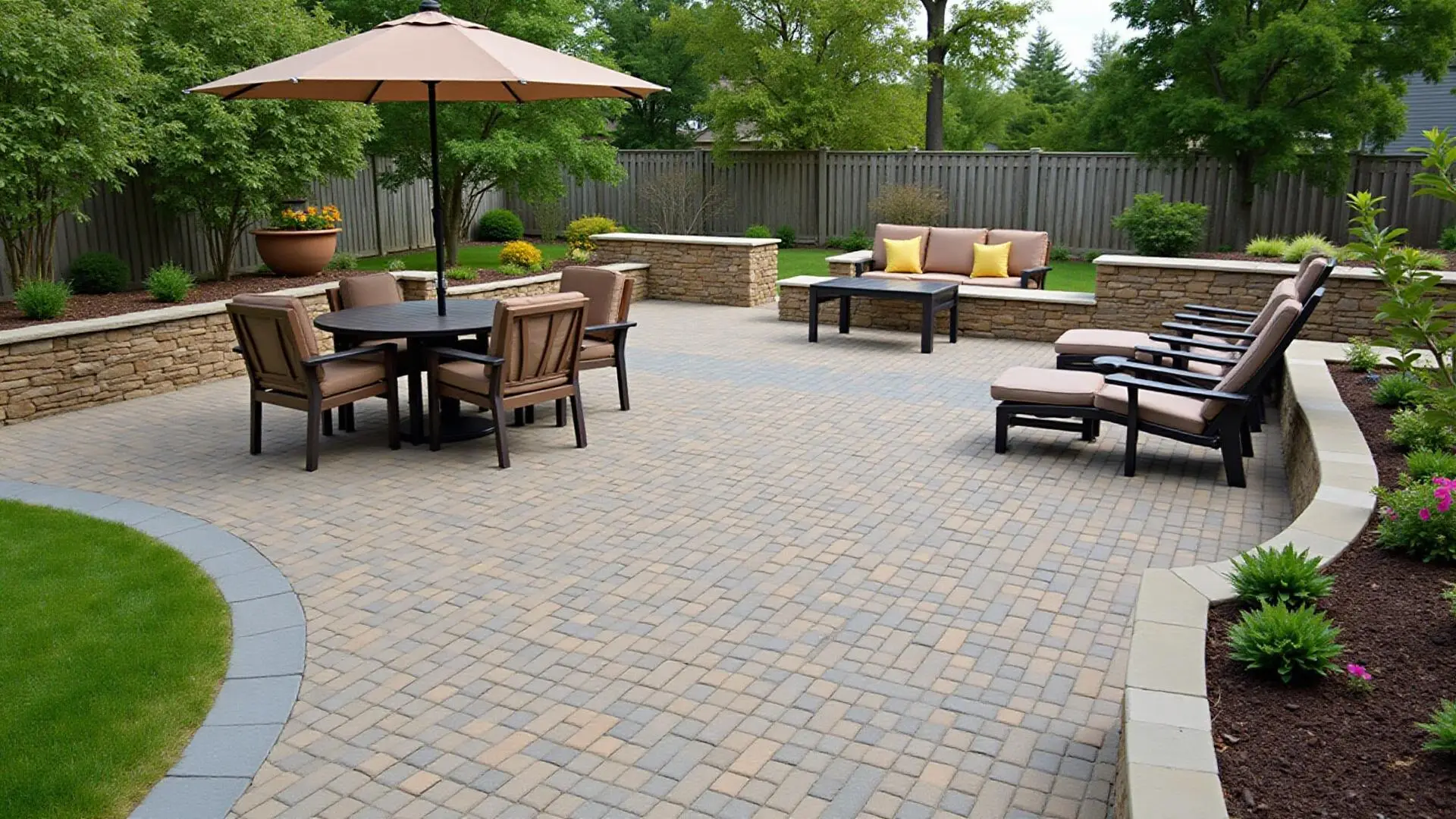
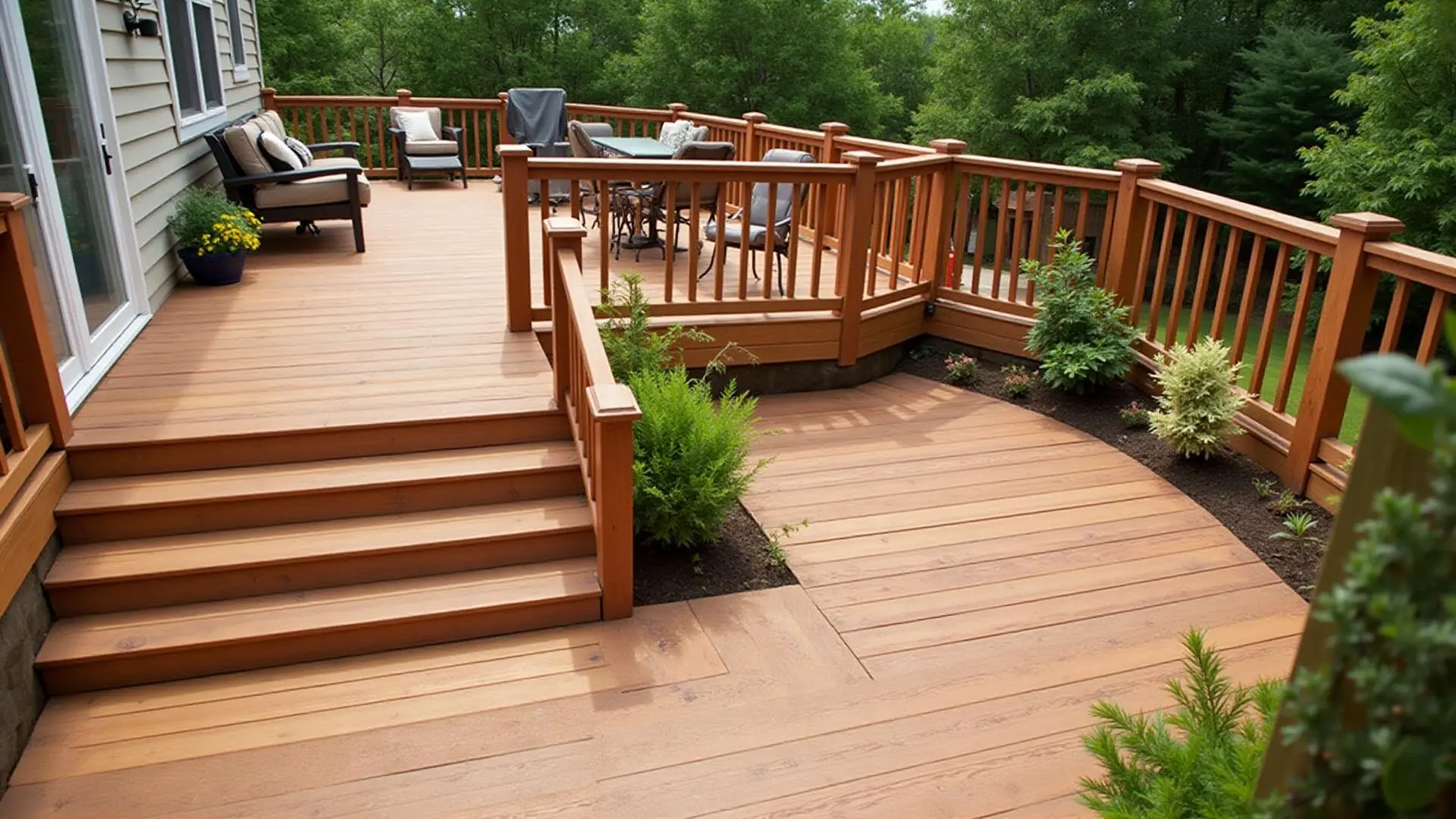
Modern landscapes extend living spaces outdoors, creating functional areas for cooking, dining, entertaining, and relaxation. Patios and decks provide foundations for outdoor living, with material choices depending on budget, style preferences, and site conditions. Natural stone patios offer timeless elegance and excellent heat resistance, staying cooler underfoot during hot summers compared to concrete or composite decking. Pavers provide design flexibility with various patterns, colors, and textures while allowing water drainage between units.
Shade structures become essential in Georgia's climate, making outdoor spaces usable during hot summer days. Pergolas provide partial shade while supporting climbing plants like wisteria, cross vine, or Carolina jessamine for additional coverage and beauty. Shade sails offer contemporary aesthetics with effective sun protection, available in various colors and configurations. Traditional covered porches or screened rooms provide complete protection from sun and insects, extending comfortable outdoor time throughout summer.
Outdoor kitchens and cooking areas transform backyards into entertainment destinations. Even simple setups with built-in grills and counter space add tremendous functionality and value. More elaborate designs incorporate refrigerators, sinks, pizza ovens, and ample prep space. Position cooking areas considering prevailing winds, proximity to indoor kitchens, and views of gathering spaces. Built-in seating around fire pits or fireplaces extends outdoor season use into cooler months while creating intimate gathering spots.
Water features add tranquility and mask neighborhood noise pollution. Fountains provide soothing sounds without requiring extensive installation or maintenance. Small ponds attract wildlife while creating focal points, though they require regular maintenance including algae control and pump care. Even simple birdbaths add movement and attract beneficial birds to your landscape. When installing water features, consider mosquito control through circulation, biological controls, or regular water changes during summer months.
Managing Water Wisely
Despite Georgia's substantial rainfall, summer dry spells and increasing water restrictions make efficient irrigation essential. New landscapes require regular watering during the first one to two years while plants establish root systems. Water deeply but infrequently to encourage deep root growth rather than frequent shallow watering that promotes surface roots vulnerable to heat and drought. Most Georgia landscapes need about one inch of water weekly from rainfall or irrigation during the growing season.
Irrigation system design significantly impacts water efficiency and plant health. Drip irrigation delivers water directly to plant roots with minimal evaporation, making it ideal for beds, borders, and foundation plantings. While requiring higher initial investment than traditional sprinklers, drip systems reduce water use by 30-50% while promoting healthier plants by keeping foliage dry and reducing disease issues. Spray irrigation works well for lawns and groundcovers, with rotor heads covering large areas and spray heads better for smaller zones.
Smart irrigation controllers automatically adjust watering based on weather conditions, soil moisture, and plant needs. Many models connect to local weather data, skipping scheduled watering when rain is forecast or recent rainfall provides adequate moisture. These systems prevent overwatering during rainy periods while ensuring plants receive sufficient water during dry spells. Rain sensors provide simpler alternatives, automatically shutting off irrigation systems when rainfall occurs.
Mulch application conserves moisture, moderates soil temperature, suppresses weeds, and improves soil as it decomposes. Apply 2-4 inches of organic mulch like pine straw, hardwood chips, or pine bark around trees, shrubs, and in beds. Keep mulch a few inches away from plant stems and tree trunks to prevent moisture-related diseases and pest problems. Refresh mulch annually or as needed to maintain depth and appearance. Pine straw particularly suits Georgia landscapes, being readily available, economical, and allowing water penetration while providing neat appearance.
Dealing with Common Georgia Landscape Challenges
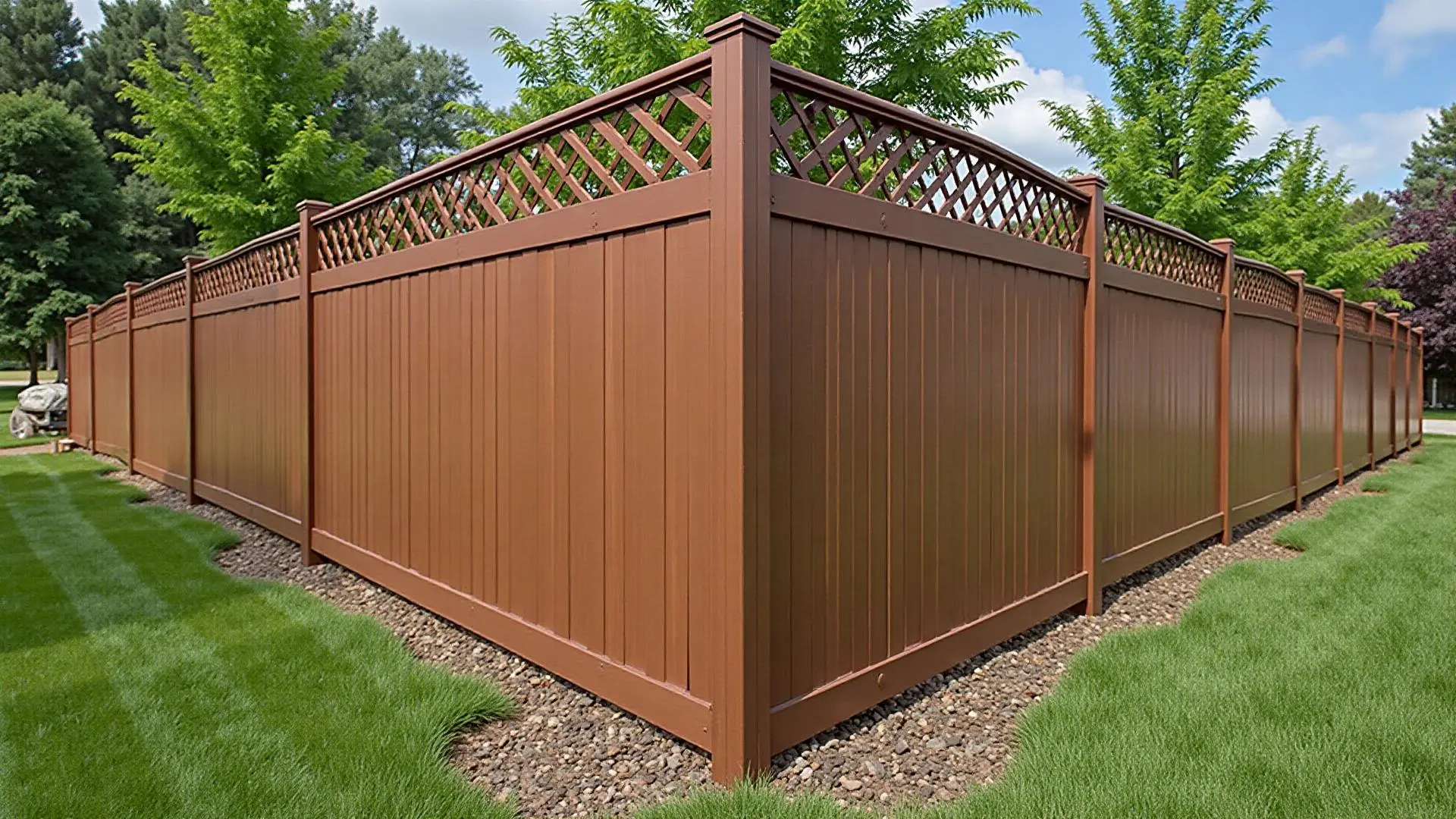
Pests and diseases thrive in Georgia's warm, humid climate, requiring vigilant monitoring and integrated pest management approaches. Japanese beetles, armyworms, and various caterpillars damage foliage during summer. Aphids, scale insects, and spider mites attack stressed plants, particularly during hot, dry periods. Deer browsing presents significant challenges in suburban areas near wooded lands. Fencing provides the most reliable deer protection, though strategic plant selection focusing on deer-resistant species helps minimize damage.
Fungal diseases flourish in humid conditions, with powdery mildew, black spot, and various leaf spots commonly affecting susceptible plants. Proper plant spacing ensures good air circulation, reducing disease pressure. Avoid overhead watering when possible, and water early in the day allowing foliage to dry before evening. Remove and destroy infected plant material rather than composting it. Select disease-resistant varieties when available, particularly for roses, crape myrtles, and tomatoes prone to various problems.
Invasive plants pose serious threats to Georgia landscapes and natural areas. English ivy escapes cultivation easily, smothering trees and native vegetation. Chinese privet forms dense thickets excluding native plants. Bradford pears, once popular street trees, prove weak-wooded, short-lived, and invasive throughout the Southeast. Japanese honeysuckle and kudzu aggressively overtake landscapes and natural areas. When selecting plants, choose non-invasive alternatives and remove invasive plants from your property before they spread.
Erosion and drainage problems commonly plague Georgia properties due to clay soils and heavy rainfall. Address drainage issues early, as standing water damages plants and creates mosquito breeding sites. French drains, properly graded surfaces, and rain gardens direct water away from foundations and prevent pooling. Retaining walls stabilize slopes while creating level planting areas. Ground covers and deep-rooted plants stabilize soil on slopes, preventing erosion during heavy rains.
Seasonal Maintenance Calendar
Spring maintenance begins in March as temperatures warm and plants break dormancy. Prune summer-blooming shrubs like crape myrtles before new growth emerges, removing dead wood and shaping plants. Apply pre-emergent herbicides to prevent crabgrass and other summer annual weeds in lawns. Divide perennials showing declined vigor or outgrowing spaces. Plant container-grown trees and shrubs, taking advantage of mild temperatures and spring rains. Begin lawn fertilization programs following soil test recommendations.
Summer focuses on maintenance and water management. Mow lawns regularly, keeping grass heights appropriate for species—2.5-3 inches for tall fescue, 1-2 inches for Bermuda and zoysia. Deadhead flowers encouraging continued blooming and preventing unwanted self-seeding. Monitor irrigation systems ensuring even coverage and adjusting for hot, dry periods. Watch for pest and disease issues, addressing problems promptly before they escalate. Apply mulch as needed maintaining 2-4 inch depths.
Fall brings ideal planting conditions with warm soil and cooler air temperatures. September and October offer the best windows for installing trees, shrubs, and perennials, allowing root establishment before winter. Renovate tired lawns through aeration, overseeding, and fertilization. Plant spring-blooming bulbs including daffodils, tulips, and hyacinths. Divide and transplant perennials as they finish blooming. Continue watering new plantings through fall, as plants continue growing roots even after top growth slows.
Winter provides time for planning, maintenance, and strategic pruning. Clean and sharpen tools, service equipment, and order seeds and plants for spring. Prune spring-blooming shrubs like azaleas and forsythia after they finish flowering but before summer. Remove dead or damaged branches from trees and shrubs. Protect tender plants if hard freezes are forecast, using covers or moving containers to sheltered locations. Review the past year's landscape performance, noting successes and areas for improvement to guide future decisions.
Creating Your Perfect Georgia Landscape
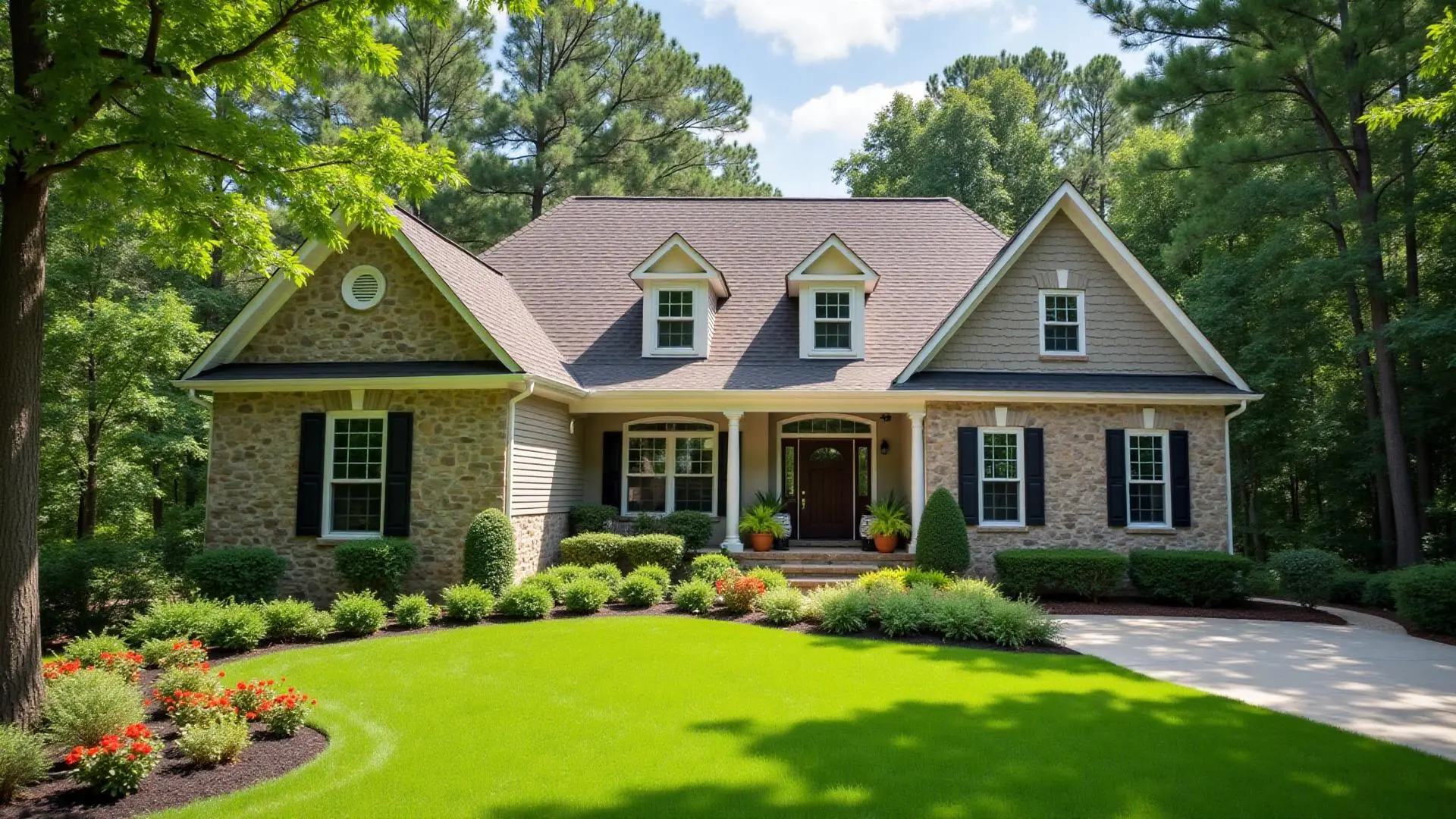
Successful landscaping in Georgia combines knowledge of regional conditions, selection of appropriate plants and materials, and consistent maintenance adapted to seasonal needs. Start with realistic assessments of your property's conditions including sun exposure, drainage, and existing vegetation. Develop master plans considering both immediate improvements and long-term vision, implementing projects in phases as time and budget allow. Focus on creating outdoor spaces that reflect your lifestyle while working with Georgia's climate rather than fighting against it.
At Hightower Home Improvement, we help Atlanta-area homeowners design, install, and maintain beautiful landscapes suited to Georgia's conditions. Our knowledge of local plants, materials, and practices ensures your landscape investment thrives while enhancing your property's beauty and value for years to come.