Understanding Bathroom Renovation Costs
Bathroom renovation costs vary dramatically based on project scope, material choices, and labor requirements. A basic refresh involving new paint, fixtures, and accessories might cost $3,000-8,000, while mid-range renovations with new tile, vanity, and updated plumbing typically range from $10,000-25,000. Luxury renovations featuring premium materials, expanded spaces, and high-end fixtures can exceed $30,000-50,000 or more for master bathrooms.
The scope of work significantly impacts costs. Simple cosmetic updates changing surfaces and fixtures without moving plumbing or walls represent the most budget-friendly approach. Standard renovations replacing all fixtures, flooring, and finishes while maintaining existing layouts fall into the mid-range category. Major renovations involving layout changes, relocated plumbing, expanded spaces, or added windows require structural work and permitting, substantially increasing costs.
Labor typically accounts for 40-65% of total bathroom renovation costs, making it one of the largest expense categories. Skilled trades including plumbers, electricians, tile installers, and carpenters command professional rates justified by expertise and quality workmanship. While DIY work can reduce costs, bathroom renovations involve critical systems requiring proper installation to prevent water damage, electrical hazards, and code violations. Most homeowners find the investment in professional labor worthwhile for peace of mind and quality results.
Hidden costs often catch homeowners off-guard, including permit fees, waste removal, temporary bathroom arrangements during construction, and unexpected issues discovered during demolition. Older homes particularly may reveal outdated plumbing, electrical issues, water damage, or mold requiring remediation. Build a 10-20% contingency into your budget to handle these surprises without derailing your project or forcing compromises on planned features.
Establishing Your Budget Framework
Begin by determining your maximum comfortable investment, considering your home's value, how long you plan to stay, and your financial situation. Financial advisors generally recommend limiting bathroom renovation costs to 5-10% of your home's value to avoid over-improving. However, if you plan to stay long-term and value daily comfort and enjoyment, investing more may be justified for your lifestyle needs.
Break down your budget into major categories to guide spending decisions. Fixtures and fittings (toilet, sink, shower/tub, faucets) typically consume 15-25% of the budget. Cabinetry and countertops account for 15-25%, tile and flooring 10-20%, labor 40-50%, lighting and electrical 5-10%, and accessories and finishing touches 5-10%. These percentages provide starting points, adjustable based on priorities and preferences.
Consider the bathroom's role in your home when budgeting. Master bathrooms warrant larger investments as primary daily-use spaces significantly impacting your quality of life and home value. Guest bathrooms can work well with more modest budgets focused on aesthetic appeal and basic functionality. Powder rooms, though small, benefit from quality finishes as they're frequently seen by guests and contribute to first impressions.
Research financing options if your renovation exceeds available savings. Home equity loans or lines of credit typically offer favorable interest rates using your home as collateral. Personal loans provide alternatives without collateral but usually carry higher interest rates. Credit cards might work for small projects but high interest rates make them less ideal for major renovations. Some contractors offer financing plans, though carefully review terms and compare to other options.
Strategic Splurge and Save Decisions
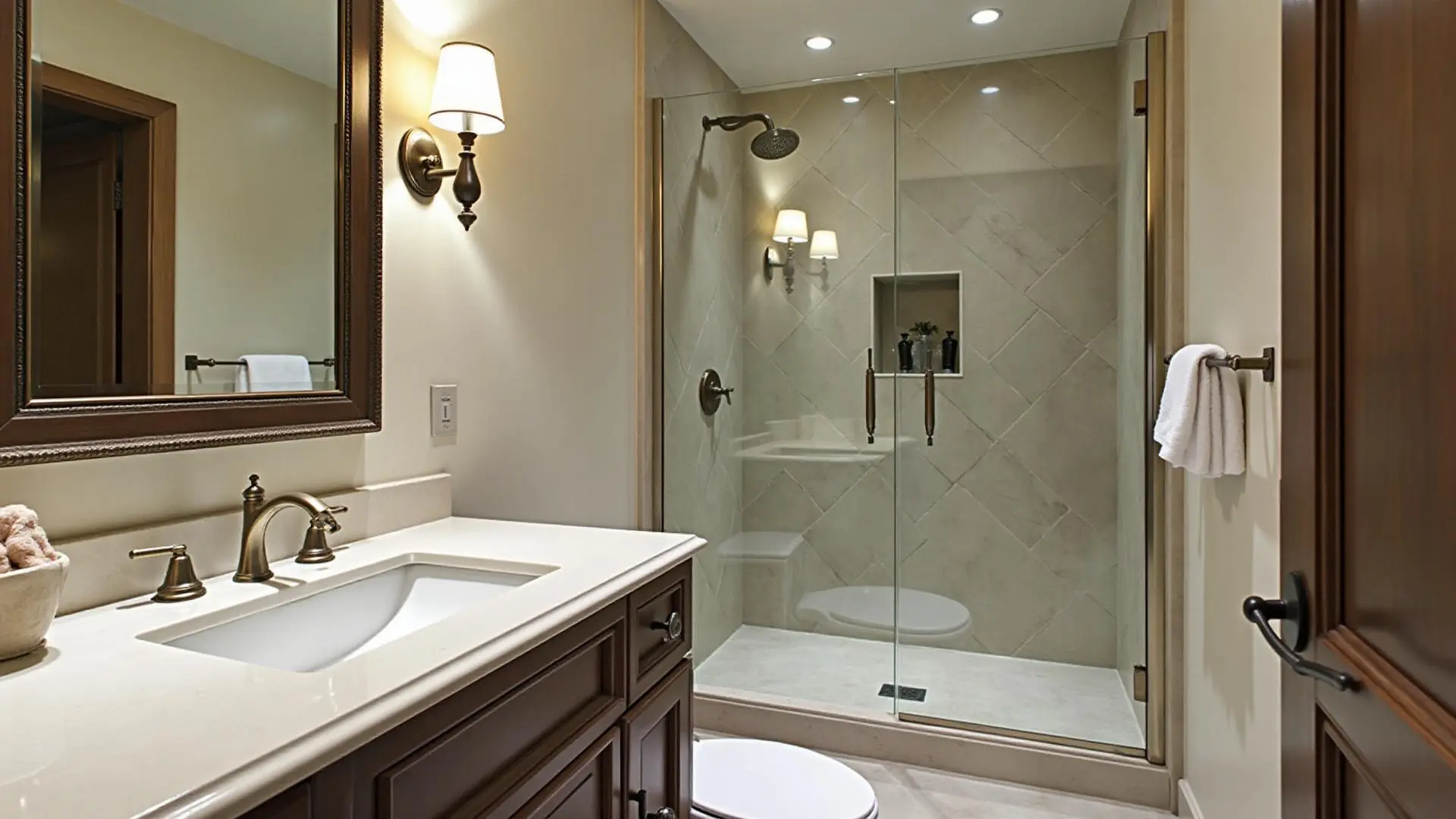
Knowing where to invest and where to economize maximizes value and satisfaction while respecting budget constraints. Splurge on quality shower and tub fixtures—you'll interact with these elements daily, and superior products offer better performance, durability, and enjoyment. High-quality shower valves with thermostatic controls prevent temperature fluctuations and scalding, while rain heads and body sprays create spa-like experiences worth the investment.
Invest in proper waterproofing and moisture control behind walls and under floors. Skimping on these invisible elements invites water damage, mold growth, and costly future repairs far exceeding initial savings. Quality waterproofing membranes, cement board, proper slope in shower pans, and adequate ventilation protect your investment and ensure longevity. This is not the place to cut corners.
Tile offers opportunities for both splurging and saving. Consider using premium tile in prominent locations like shower walls, backsplashes, or feature walls, while using less expensive options in less visible areas like behind vanities or on ceilings. Large-format tiles reduce grout lines and installation time, potentially offsetting their higher material costs. Ceramic tiles often provide excellent value compared to natural stone while offering similar aesthetics and easier maintenance.
Save on vanity cabinets by choosing stock or semi-custom options instead of fully custom. Many home improvement retailers offer attractive, well-built vanities at reasonable prices. Focus budget on vanity tops, selecting durable materials like quartz or granite that resist water damage and staining. Toilets represent another save opportunity—mid-range models perform as well as luxury options, with the primary differences being styling and brand name rather than functionality.
Hardware and accessories present smart save opportunities. Attractive drawer pulls, towel bars, toilet paper holders, and robe hooks are available at various price points. Focus on finishes that complement your fixtures rather than matching brands. Mirrors and medicine cabinets offer good save potential—stylish options exist at multiple price points, and custom framing can elevate inexpensive mirrors.
Maximizing Value Through Smart Design
Thoughtful design decisions maximize impact while controlling costs. Keeping existing layouts avoids expensive plumbing and electrical relocation. Even minor fixture repositioning can require opening walls, rerouting pipes, and updating drain locations—all adding substantial costs. Work within your bathroom's footprint, improving functionality through better fixture selection and smarter storage rather than layout changes.
Choose timeless design elements over trendy options. Classic white subway tile, neutral colors, and traditional fixtures have enduring appeal and won't feel dated in a few years. Bold trends can be incorporated through easily changeable elements like paint colors, accessories, and textiles rather than permanent installations. This approach protects your investment and appeals to broader audiences if you sell your home.
Optimize storage through thoughtful planning rather than expensive custom solutions. Recessed medicine cabinets utilize wall depth without protruding into the room. Floating vanities create open floor space making bathrooms feel larger while providing storage. Open shelving costs less than cabinets while adding visual interest and display opportunities. Pull-out organizers maximize cabinet efficiency at modest costs.
Lighting dramatically impacts bathroom aesthetics and functionality without requiring huge budgets. Layer different light types—ambient ceiling lights for general illumination, task lighting beside mirrors for grooming, and accent lighting to highlight features. LED fixtures offer energy efficiency and long lifespans offsetting higher initial costs. Dimmer switches add flexibility and ambiance at minimal expense.
Consider prefabricated shower systems as cost-effective alternatives to custom tile showers. Modern acrylic and composite units offer attractive appearances, integral waterproofing, and faster installation compared to tile. They're particularly suitable for budget-conscious projects or basement and guest bathrooms. For custom tile showers, standard-size prefabricated bases save money compared to custom built-and-tiled bases while providing reliable waterproofing.
Phase Planning for Budget Management
If your dream bathroom exceeds current budget capacity, consider phasing the project over time. This approach spreads costs across multiple periods while allowing you to enjoy improvements sooner rather than waiting until you can afford everything at once. Phase planning requires strategic thinking about which improvements to tackle first and ensuring early phases don't create conflicts with later work.
Start with structural and systems improvements in phase one, including plumbing updates, electrical work, ventilation improvements, and waterproofing. These foundational elements must be properly installed before finishing work begins. Complete any layout changes during this phase to avoid disrupting finished surfaces later. Install basic fixtures allowing bathroom use while planning future upgrades.
Phase two might address finish materials including tile, flooring, paint, and fixture upgrades. This phase transforms the bathroom's appearance while building on the solid foundation established in phase one. Phase three adds luxuries like heated floors, premium shower systems, upgraded lighting, or custom cabinetry. Breaking projects into phases makes renovations more financially manageable while maintaining momentum toward your ultimate vision.
Some improvements offer immediate impact at modest costs, ideal for quick updates or phase-one projects. Fresh paint dramatically changes atmosphere for minimal investment. Updated hardware on existing cabinets provides new looks without replacement costs. New mirrors, lighting fixtures, and accessories refresh appearances affordably. Re-grouting tile or replacing worn caulk improves cleanliness and water resistance inexpensively.
Working with Contractors and Managing Costs
Selecting the right contractor significantly impacts project success and budget management. Obtain detailed written estimates from multiple contractors, ensuring they include identical scopes of work for accurate comparisons. The lowest bid isn't necessarily the best—consider experience, reputation, insurance coverage, and project timeline alongside pricing. Check references, review previous work, and verify licensing and insurance before making decisions.
Clearly communicate budget constraints to your contractor from the start. Experienced professionals can suggest alternatives and value engineering opportunities meeting your needs within budget parameters. They may know which materials offer best value, where costs can be trimmed without sacrificing quality, and which splurges provide meaningful returns.
Understand payment structures and protect yourself with appropriate contracts. Most contractors require deposits (typically 10-20% of project cost) with remaining payments tied to project milestones rather than paying the full amount upfront. Detailed contracts should specify exact materials, colors, brands, and models; project timeline with start and completion dates; payment schedule tied to completed work stages; warranty information for labor and materials; and procedures for handling changes and disputes.
Control change orders carefully as they're a primary source of budget overruns. Every change—no matter how small—should be documented in writing with clear cost implications before proceeding. Understand that changes often affect timelines as well as costs. Minimize changes by thoroughly planning before construction begins, making all selections early, and resisting impulses to upgrade during construction unless truly necessary.
Achieving Your Dream Bathroom
Successfully budgeting for bathroom renovations requires balancing dreams with financial reality, prioritizing features that matter most, and making informed decisions about where to invest and where to economize. Start with clear goals, establish realistic budgets including contingencies, research options thoroughly, and work with experienced professionals who respect your budget while delivering quality results.
Remember that bathroom renovations provide both immediate enjoyment and long-term value. A well-planned, properly executed renovation enhances daily comfort, increases home value, and offers years of satisfaction. At Hightower Home Improvement, we help Atlanta homeowners navigate the renovation process from initial planning through final completion, from planning through completion. Our experience allows us to suggest value opportunities you might not consider while steering you away from costly mistakes, delivering beautiful bathrooms that reflect your style and respect your budget.