Hardwood Flooring: Timeless Elegance
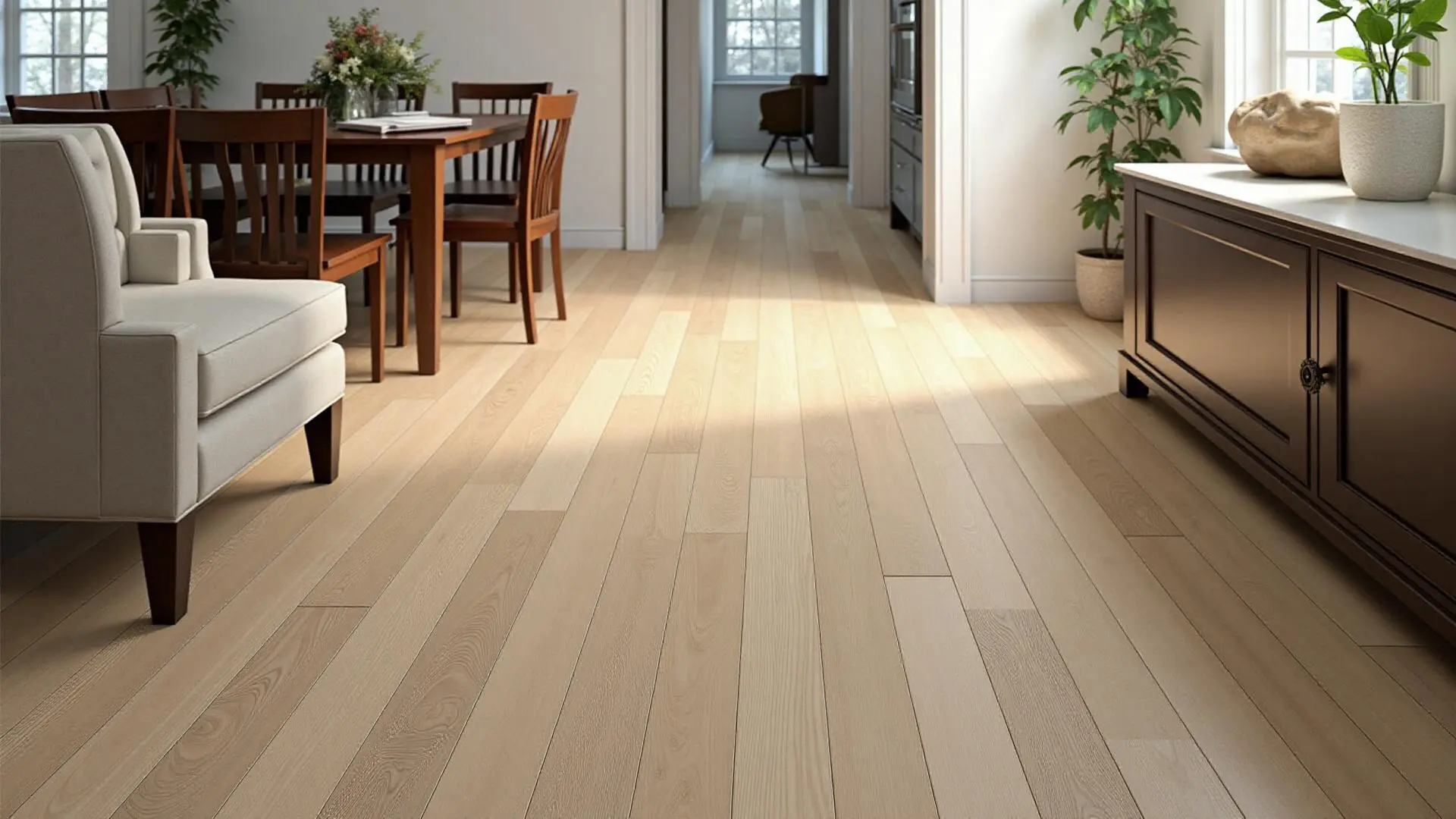
Hardwood flooring remains the gold standard for residential applications, prized for natural beauty, warmth, and enduring value. Solid hardwood consists of single pieces of wood throughout, typically 3/4 inch thick, allowing multiple refinishing cycles over decades of use. Oak dominates the market, offering attractive grain, excellent durability, and wide availability in red and white varieties. Maple provides lighter colors and harder surfaces ideal for high-traffic areas. Cherry and walnut deliver rich, darker tones developing beautiful patinas as they age.
Engineered hardwood features thin hardwood veneers bonded to plywood or high-density fiberboard cores, providing dimensional stability superior to solid wood. This construction resists moisture-related expansion and contraction, making engineered products suitable for basements and over concrete slabs where solid hardwood fails. Modern engineered floors with thick wear layers allow several refinishing cycles, though fewer than solid wood. Wide-plank flooring in 5-7 inch widths creates contemporary looks with fewer seams, while traditional 2-3 inch planks suit classic décor.
Installation methods affect both cost and performance. Nail-down installation over wooden subfloors provides traditional, secure attachment with excellent longevity. Glue-down applications work over concrete and provide stable installations, though removal proves difficult. Floating installations, where planks click together without attachment to subfloors, allow DIY installation and easy removal but may feel less solid underfoot. Costs range from $6-12 per square foot for quality solid hardwood installed, while engineered products typically cost $8-15 per square foot depending on veneer thickness and species.
Maintenance involves regular sweeping or vacuuming removing grit that scratches finishes. Clean with hardwood-specific cleaners avoiding excessive water that can damage wood. Refinishing every 7-10 years restores appearances, extending floor life indefinitely. Hardwood adds significant value to homes, typically returning 70-80% of installation costs at resale while providing decades of beauty. However, hardwood scratches and dents more easily than harder materials, shows water damage, and isn't recommended for bathrooms or laundry rooms where moisture is prevalent.
Luxury Vinyl Plank: Modern Versatility
Luxury vinyl plank (LVP) flooring has revolutionized the market, offering wood appearances at lower costs with superior water resistance and durability. Advanced printing technology creates realistic wood grain patterns, while embossed textures add dimensional authenticity making LVP difficult to distinguish from real wood at casual glance. Available in various plank sizes including wide-plank formats matching current hardwood trends, LVP suits any décor from rustic to contemporary.
Construction quality varies significantly affecting performance and longevity. Wear layer thickness, measured in mils, determines scratch and stain resistance—residential applications benefit from 12-20 mil wear layers, while 20+ mil layers suit commercial use and high-traffic homes. Core materials include WPC (wood-plastic composite) offering warmer, quieter feels with better dent resistance, and SPC (stone-plastic composite) providing harder, more stable platforms ideal for uneven subfloors. Both resist water completely, making LVP perfect for bathrooms, kitchens, basements, and laundry rooms.
Installation methods include click-lock floating systems allowing DIY installation and easy replacement of damaged planks, glue-down applications providing permanent installations with thinner profiles, and loose-lay products using weight and friction to stay in place. Most homeowners choose floating installations for convenience and cost savings. Underlayment provides sound dampening, slight cushioning, and moisture barriers when installing over concrete. Costs range from $3-7 per square foot installed depending on quality, with premium products approaching $10 per square foot.
Maintenance proves exceptionally easy—sweep regularly and mop with vinyl-safe cleaners. LVP resists scratches, dents, stains, and water damage better than hardwood. However, it can't be refinished like wood, has limited resale value compared to hardwood, and may feel less substantial underfoot. Quality varies dramatically among manufacturers—invest in reputable brands with proven track records and strong warranties. LVP works beautifully throughout homes except where extremely high temperatures occur, as vinyl can soften and deform.
Tile Flooring: Durability and Design
Ceramic and porcelain tile offer unmatched durability and design versatility for moisture-prone areas and high-traffic spaces. Porcelain tile, fired at higher temperatures than ceramic, achieves greater density, lower water absorption, and superior durability suitable for indoor and outdoor applications. Through-body porcelain maintains consistent color throughout tile thickness, preventing visible chips. Ceramic tile costs less but works well for interior applications with lighter traffic and limited moisture exposure.
Design options span unlimited styles, colors, patterns, and sizes. Large-format tiles in 12x24 inches and larger create contemporary looks with minimal grout lines, though they require perfectly flat subfloors. Small mosaic tiles add intricate detail and visual interest while providing excellent traction in wet areas. Wood-look tile planks combine wood aesthetics with tile durability and water resistance—perfect for bathrooms and kitchens where real wood struggles. Natural stone appearances in marble, travertine, and slate finishes add luxury without stone's maintenance requirements.
Installation requires skilled professionals ensuring proper substrate preparation, thinset application, and leveling. Tile installed over uncoupling membranes prevents cracks from substrate movement—essential for installations over concrete and in homes with seasonal movement. Grout selection affects both appearance and maintenance—sanded grout suits joints wider than 1/8 inch, while unsanded works for narrow joints. Epoxy grout resists staining and moisture better than cement grout though costs more and proves difficult to work with.
Costs vary enormously based on tile quality and installation complexity. Basic ceramic tile installed runs $8-12 per square foot, while premium porcelain reaches $12-20 per square foot or more for specialty products. Maintenance involves regular sweeping and mopping with pH-neutral cleaners. Seal grout lines annually preventing staining and moisture penetration. Tile lasts indefinitely with proper care but feels hard and cold underfoot—consider radiant heating systems beneath tile for enhanced comfort, particularly in bathrooms and kitchens where barefoot traffic is common.
Carpet: Comfort and Warmth
Carpet provides unmatched softness, warmth, and sound absorption making it ideal for bedrooms, living rooms, and family spaces. Modern carpets resist staining better than ever thanks to fiber treatments and stain-resistant technologies. Nylon remains the most popular fiber, offering excellent durability, resilience, and stain resistance at moderate costs. Polyester provides soft feels and vibrant colors at lower prices though wears faster than nylon. Wool delivers luxury softness and natural stain resistance but costs significantly more requiring professional cleaning.
Construction styles affect both appearance and performance. Cut pile carpets including plush, saxony, and frieze styles offer soft, luxurious feels perfect for bedrooms. Loop pile Berber carpets resist crushing and hide traffic patterns, making them suitable for family rooms and hallways. Cut-and-loop combinations create patterns and textures adding visual interest. Carpet density (face weight and pile density) indicates quality—denser carpets wear better and maintain appearance longer than loosely constructed products.
Padding beneath carpet significantly affects comfort, longevity, and sound dampening. Quality padding cushions steps, extends carpet life by absorbing impact, and prevents premature wear. Rubber padding lasts longest, while memory foam offers supreme comfort. Minimum 7/16 inch thickness and 6-pound density suit most residential applications, while 1/2 inch thickness and 8-pound density provide premium performance. Never skimp on padding—it represents small portions of total project costs but dramatically affects satisfaction and longevity.
Maintenance requires regular vacuuming removing dirt before it embeds in fibers. Professional cleaning every 12-18 months maintains appearance and removes deep-seated dirt. Address spills immediately following manufacturer guidelines—blot rather than rub, working from outside edges toward centers. Carpet typically lasts 7-15 years depending on quality, traffic, and maintenance. Installation costs range from $4-10 per square foot including padding for quality products. While carpet doesn't add value like hardwood, it provides comfort and warmth that appeal to many buyers and occupants.
Laminate Flooring: Budget-Friendly Style
Laminate flooring provides wood and stone appearances at budget-friendly prices with good durability and easy maintenance. Photographic layers over fiberboard cores replicate natural materials convincingly, while protective wear layers resist scratches and stains. Modern laminates with embossed-in-register (EIR) textures synchronize surface textures with photographic images creating realistic dimensional appearances.
AC ratings indicate durability—AC3 (moderate residential) suits most homes, AC4 (heavy residential) works for high-traffic homes and light commercial use, and AC5 (commercial) provides maximum durability. Thicker products at 12mm create more substantial feels and better sound dampening than thin 7-8mm laminates. Click-lock installation allows DIY projects and floating installations over most existing floors, significantly reducing labor costs compared to hardwood or tile.
Costs range from $2-6 per square foot installed depending on quality and installation method. Laminate offers good scratch and stain resistance, though it can't be refinished like hardwood. Water resistance has improved but laminate still isn't suitable for bathrooms or wet areas—moisture penetration through joints causes swelling and permanent damage. Laminate works well for living rooms, dining rooms, hallways, and bedrooms providing attractive wood looks at accessible prices. However, resale value addition is limited compared to hardwood or quality LVP.
Natural Stone: Luxury and Character
Natural stone flooring including marble, granite, travertine, slate, and limestone brings unmatched natural beauty and character with each tile unique. Marble provides elegant veining and luxurious appeal perfect for formal spaces, though it scratches and stains more easily than harder stones. Granite offers superior hardness and stain resistance suitable for high-traffic areas. Travertine creates old-world charm with natural holes and variations. Slate delivers rustic character with excellent slip resistance ideal for entryways.
Stone flooring requires professional installation ensuring proper setting and leveling. Sealing protects porous stones from staining—reapply annually or as needed depending on traffic and stone type. Maintenance involves regular sweeping and damp mopping with pH-neutral stone cleaners. Avoid acidic cleaners that etch marble and limestone. Stone costs $10-30 or more per square foot installed depending on stone type, origin, and installation complexity. While expensive initially, stone lasts indefinitely and adds significant value.
Making Your Selection
Choosing flooring involves balancing aesthetics, performance, maintenance, and budget across various rooms. Consider room-specific requirements—moisture-resistant products for bathrooms and kitchens, durable options for high-traffic areas, comfortable surfaces for bedrooms. Factor in lifestyle elements including pets, children, and entertaining frequency. Evaluate maintenance willingness—some homeowners prefer low-maintenance products while others don't mind regular refinishing for natural materials' beauty and value.
At Hightower Home Improvement, we help Atlanta homeowners select and install flooring suited to their needs, styles, and budgets. Our experience across all flooring types ensures beautiful, durable results that enhance your home's comfort and value for years to come.