1. Inadequate Planning and Research
Rushing into remodeling without thorough planning represents the most common and consequential mistake. Homeowners excited about transforming spaces often skip crucial planning steps, leading to poor decisions, budget overruns, and unsatisfactory results. Comprehensive planning includes defining clear project goals, researching options extensively, creating detailed specifications, and developing realistic timelines. Invest weeks or months in planning rather than rushing into construction—time spent planning prevents problems exponentially more expensive to fix later.
Start by identifying must-haves versus nice-to-haves, prioritizing features fitting within budgets. Research materials, products, and design options through showrooms, online resources, and home tours. Create inspiration boards collecting images of appealing designs, helping communicate visions to designers and contractors. Measure spaces carefully—many beautiful designs fail when products don't fit available spaces. Consider how changes affect adjacent areas and overall home flow. Involve all household decision-makers early preventing conflicts and changes during construction.
2. Unrealistic Budget Expectations
Underestimating project costs leads to financial stress, compromised quality, and unfinished projects. Many homeowners focus on material costs while forgetting labor, permits, temporary housing during work, and unexpected issues discovered during demolition. Comprehensive budgets include materials, labor, permits and fees, design services, temporary lodging if needed, furniture and accessories, and 10-20% contingencies for surprises. Research typical costs for similar projects in your area establishing realistic expectations.
Quality materials and skilled labor cost more but deliver better results and longevity. Choosing contractors based solely on price often leads to problems—low bids may indicate cutting corners, using inferior materials, or contractors who'll nickel-and-dime through change orders. Obtain detailed written estimates from multiple contractors ensuring they include identical scopes for accurate comparisons. Understand payment schedules—never pay full amounts upfront. Tie payments to completed milestones protecting yourself if contractors abandon projects or perform unsatisfactorily.
3. Hiring the Wrong Contractor
Contractor selection critically impacts project success, yet many homeowners choose based on convenience, recommendations from friends with different standards, or price alone. Verify licenses, insurance, and credentials before serious consideration. Check references thoroughly, speaking with multiple previous clients about quality, communication, timeliness, and problem-solving. Review online reviews and Better Business Bureau ratings noting patterns in complaints. Visit completed projects if possible, assessing quality firsthand and asking homeowners about their experiences.
Warning signs include contractors requesting large upfront payments, unwilling to provide detailed written contracts, lacking insurance or proper licensing, or pressuring for immediate decisions. Trust your instincts—if something feels wrong, move on to other contractors. Quality contractors understand skepticism is reasonable and willingly provide information building confidence. They communicate clearly, respond promptly to questions, and demonstrate professionalism throughout bidding processes. Remember that relationships with contractors last months—choose people you trust and communicate well with.
4. Ignoring Permits and Building Codes
Skipping permits to save money and time creates serious long-term problems including difficulties selling homes, insurance claim denials, and requirements to remove unpermitted work. Building codes exist protecting safety and ensuring structural integrity—ignoring them risks dangerous installations. Most significant remodeling including electrical, plumbing, structural changes, and additions require permits. Check with local building departments determining requirements before starting work.
Permit processes involve submitting plans, paying fees, and scheduling inspections at various stages. While adding time and expense, permits provide important benefits including professional review of plans, inspections ensuring code compliance, and documentation of improvements adding value. Contractors unwilling to pull permits raise red flags—quality professionals understand permit importance and factor costs into estimates. Unpermitted work discovered during home sales can derail transactions or require costly corrections. Do it right from the start avoiding problems down the road.
5. Following Trends Over Timeless Design
Trendy design elements quickly date homes and may not appeal to future buyers. While keeping homes current is important, focusing on timeless designs with trendy accents provides better long-term value. Classic materials, neutral color palettes, and traditional layouts have enduring appeal. Incorporate trends through easily changeable elements like paint colors, light fixtures, hardware, and accessories rather than permanent installations like tile patterns or cabinet colors.
Consider resale impact when making design decisions, particularly for significant investments like kitchens and bathrooms. Overly personalized or unusual choices may thrill you but deter future buyers. Extremely bold colors, uncommon layouts, or niche features limit appeal. Balance personal style with broad marketability, especially if you may sell within 5-10 years. Consult real estate professionals about design choices adding value versus detracting from marketability in your area and price range.
6. Sacrificing Function for Form
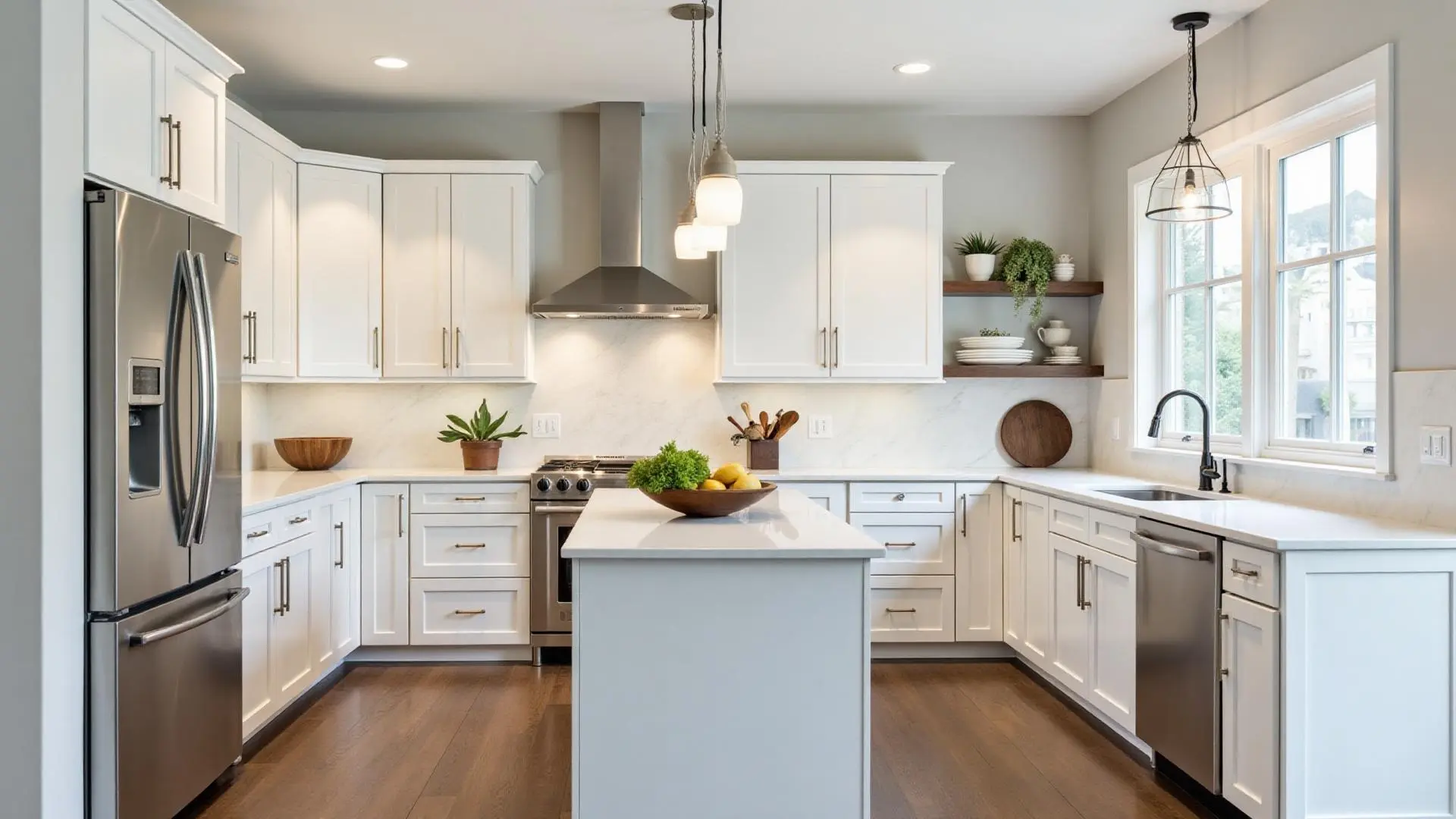
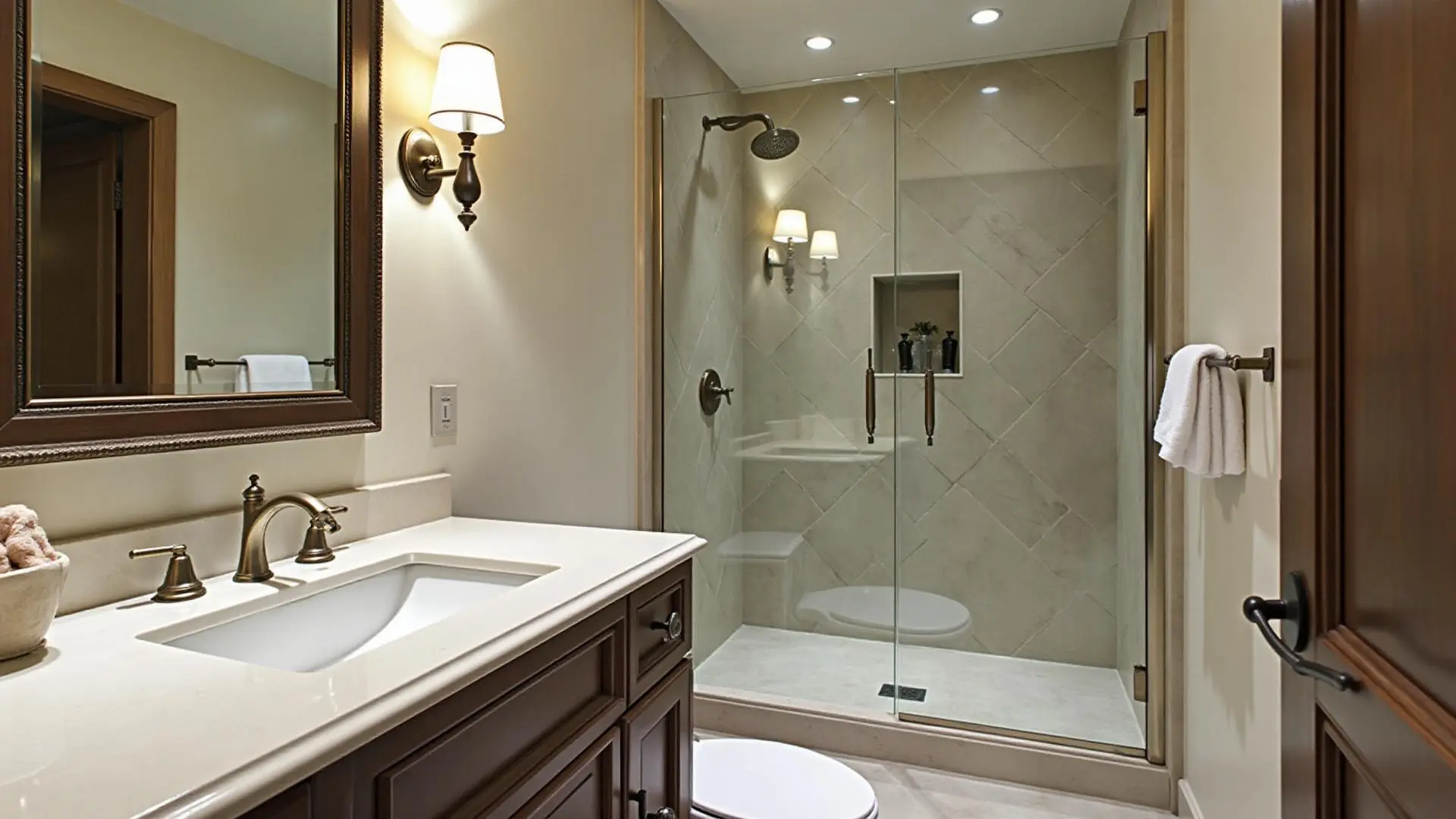
Beautiful designs that don't function properly create daily frustrations diminishing enjoyment. Prioritize functionality ensuring renovated spaces serve intended purposes efficiently. In kitchens, maintain efficient work triangles between sinks, stoves, and refrigerators. Provide adequate counter space for food prep and staging. Ensure sufficient storage for cookware, dishes, and pantry items. In bathrooms, plan layouts allowing comfortable movement and adequate clearances around fixtures. Include sufficient lighting for grooming tasks.
Storage solutions deserve careful attention—inadequate storage leads to cluttered, dysfunctional spaces. Build in organizational systems from the beginning rather than adding aftermarket solutions. Consider traffic flow through spaces, ensuring doorways, hallways, and furniture placement don't create bottlenecks or awkward movements. Think about daily routines, designing spaces supporting how you actually live rather than idealized versions of your lifestyle. Test furniture arrangements virtually or with cardboard mockups before finalizing room dimensions.
7. Neglecting Energy Efficiency
Remodeling provides excellent opportunities to improve energy efficiency, yet many homeowners overlook these upgrades focusing on aesthetics alone. Energy-efficient improvements reduce utility bills, increase comfort, and add value. When replacing windows, choose Energy Star-rated products with low U-factors and appropriate Solar Heat Gain Coefficients for Georgia's climate. Improve insulation when walls are open during remodeling—this rarely done retrofit dramatically improves comfort and efficiency.
Select Energy Star appliances consuming less electricity and water while performing better than minimum efficiency models. Install LED lighting throughout renovated spaces—they use 75% less energy than incandescent bulbs while lasting 25 times longer. Consider programmable or smart thermostats controlling temperatures based on schedules and occupancy. Seal air leaks around windows, doors, and penetrations reducing infiltration and improving HVAC efficiency. These upgrades pay for themselves through utility savings while increasing home comfort and value.
8. Poor Communication
Communication failures between homeowners, contractors, and designers cause numerous problems including wrong materials, missed specifications, and conflicts. Establish clear communication protocols from project beginnings. Designate single points of contact avoiding conflicting directions from multiple family members. Schedule regular meetings reviewing progress, addressing concerns, and making decisions. Document everything in writing including change orders, material selections, and agreements—memories fade and written records prevent disputes.
Ask questions when anything is unclear rather than assuming understanding. Request regular updates if you're not onsite daily. Take photos documenting work progress, particularly things that will be covered like plumbing and electrical rough-ins. Address concerns immediately rather than letting issues fester—small problems caught early prevent major disputes. Maintain professional, respectful relationships even when frustrated—cooperation produces better results than confrontation. Remember contractors are people too—treat them well and they'll likely go extra miles ensuring your satisfaction.
9. Overlooking Lighting Design
Lighting dramatically impacts how spaces look and function, yet many homeowners treat it as afterthoughts. Plan lighting during design phases rather than after construction when options are limited. Layer different lighting types including ambient lighting providing overall illumination, task lighting for specific activities, and accent lighting highlighting features. In kitchens, provide under-cabinet lighting illuminating countertops, pendant lights over islands, and recessed lights for general lighting.
Bathrooms need task lighting beside mirrors for grooming without shadows. Include dimmer switches throughout allowing lighting adjustment for different times and activities. Natural light deserves consideration too—maximize windows and skylights reducing artificial lighting needs and connecting interiors with outdoors. Consider lighting control systems allowing scene programming and remote control. LED technology enables color-changing capabilities and smart home integration. Consult lighting designers for complex projects—their expertise ensures beautiful, functional lighting schemes.
10. Not Planning for the Future
Many homeowners focus on immediate needs without considering future requirements. Universal design principles create spaces working for all ages and abilities. Wider doorways and hallways accommodate wheelchairs and walkers if needed. Curbless showers eliminate trip hazards and allow aging in place. Lever door handles work better than knobs for people with arthritis. Main-floor bedroom suites prevent stair-climbing becoming problematic as mobility decreases.
Consider how family needs may evolve—growing children, aging parents moving in, or home offices accommodating remote work. Build flexibility into designs allowing spaces to adapt. Wire homes for future technology even if not implementing immediately—running wires during construction costs little compared to retrofitting later. Think about maintenance requirements—materials and finishes requiring extensive upkeep become burdensome as you age. Balance cutting-edge features with proven, maintainable solutions ensuring renovations serve you well for decades.
Moving Forward Successfully
Avoiding these common mistakes requires diligence, patience, and willingness to learn from others' experiences. Invest time in planning, research thoroughly, communicate clearly, and work with qualified professionals respecting your vision and budget. Remember remodeling is temporary—the results last for years. Making informed decisions and avoiding pitfalls ensures renovation projects enhance your home, your life, and your investment.
At Hightower Home Improvement, we guide Atlanta homeowners through remodeling processes from initial planning to final walkthroughs. Our experience helps clients avoid common mistakes while achieving dreams within budgets and timeframes. Contact us to discuss your remodeling project and learn more about the next steps.